1/2


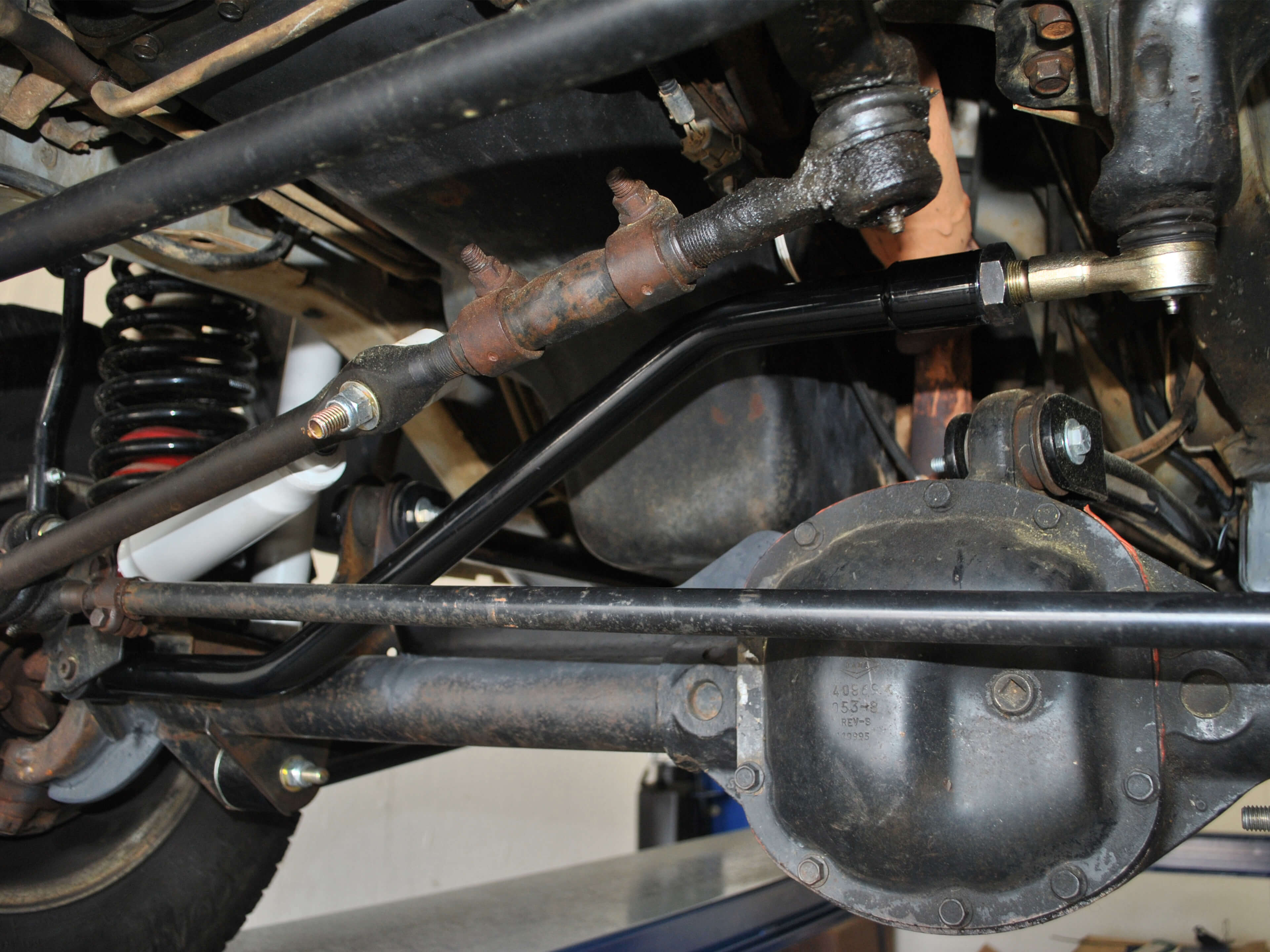
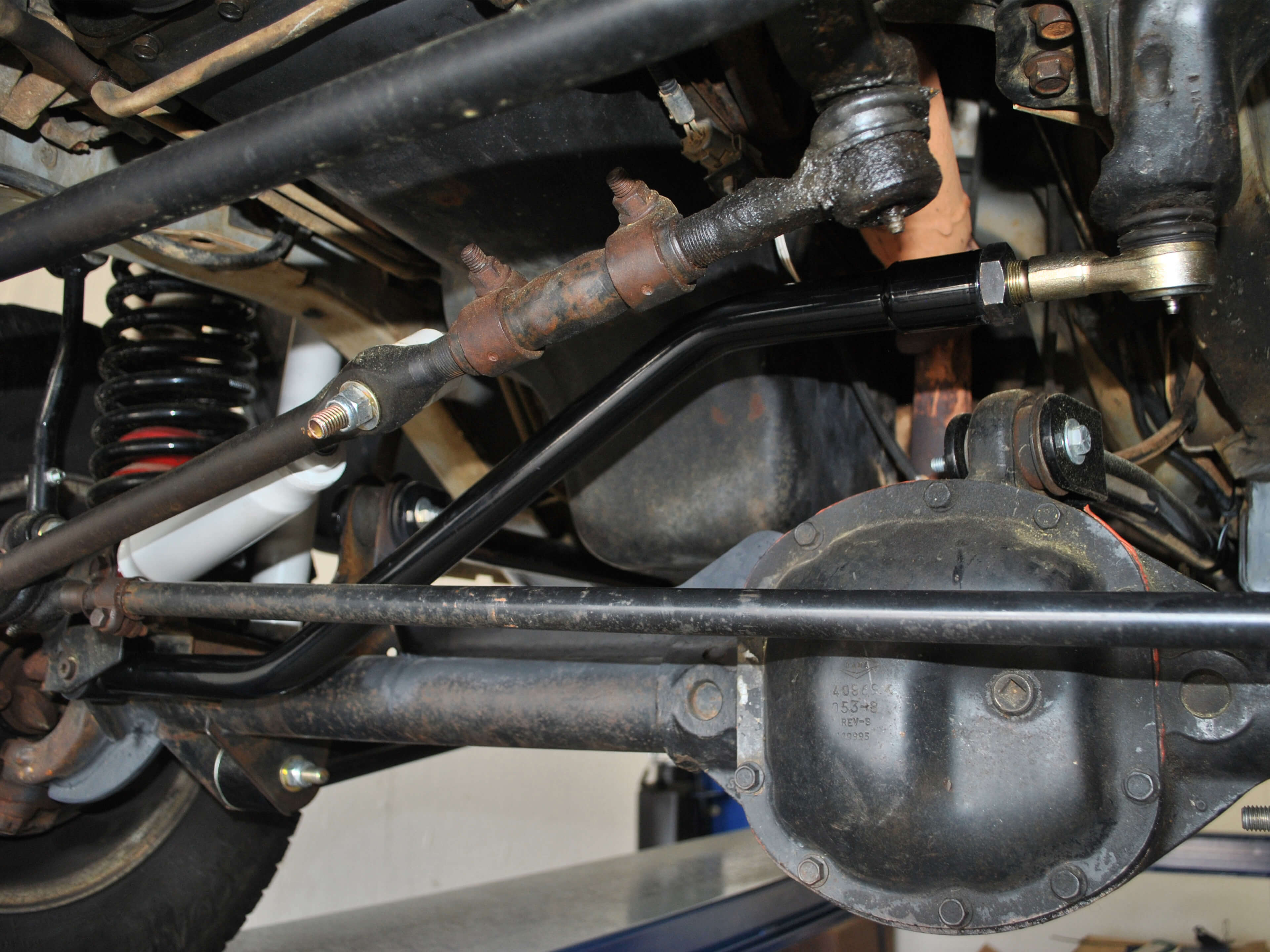
The track bar locates the axle side-to-side in relation to the vehicle's frame. A suspension lift changes the operating angle of the track bar and makes its effective length shorter, which shifts the axle off-center. This is very noticeable with lifts over 2 inches. If your vehicle is already lifted, view it from the front and see if the axles are centered underneath the body; more than likely, the front axle is shifted over to the driver's side. This kit with the new mount is designed for vehicles with more than 3.5 inches of lift.
Most manufacturers include some sort of bracket to lower the track bar mounting point on the frame or raise the track bar's mounting point on the axle. The problem with this method is that the vehicle may get too much or not enough track bar correction using these types of brackets. The additional stress created by the extra leverage of the relocation brackets can also lead to cracks and ultimately the failure of the track bar mounts. These brackets also seem to never stay tight and can force the track bar's operating angle to be out of phase with the steering linkage, which creates all sorts of handling quirks.
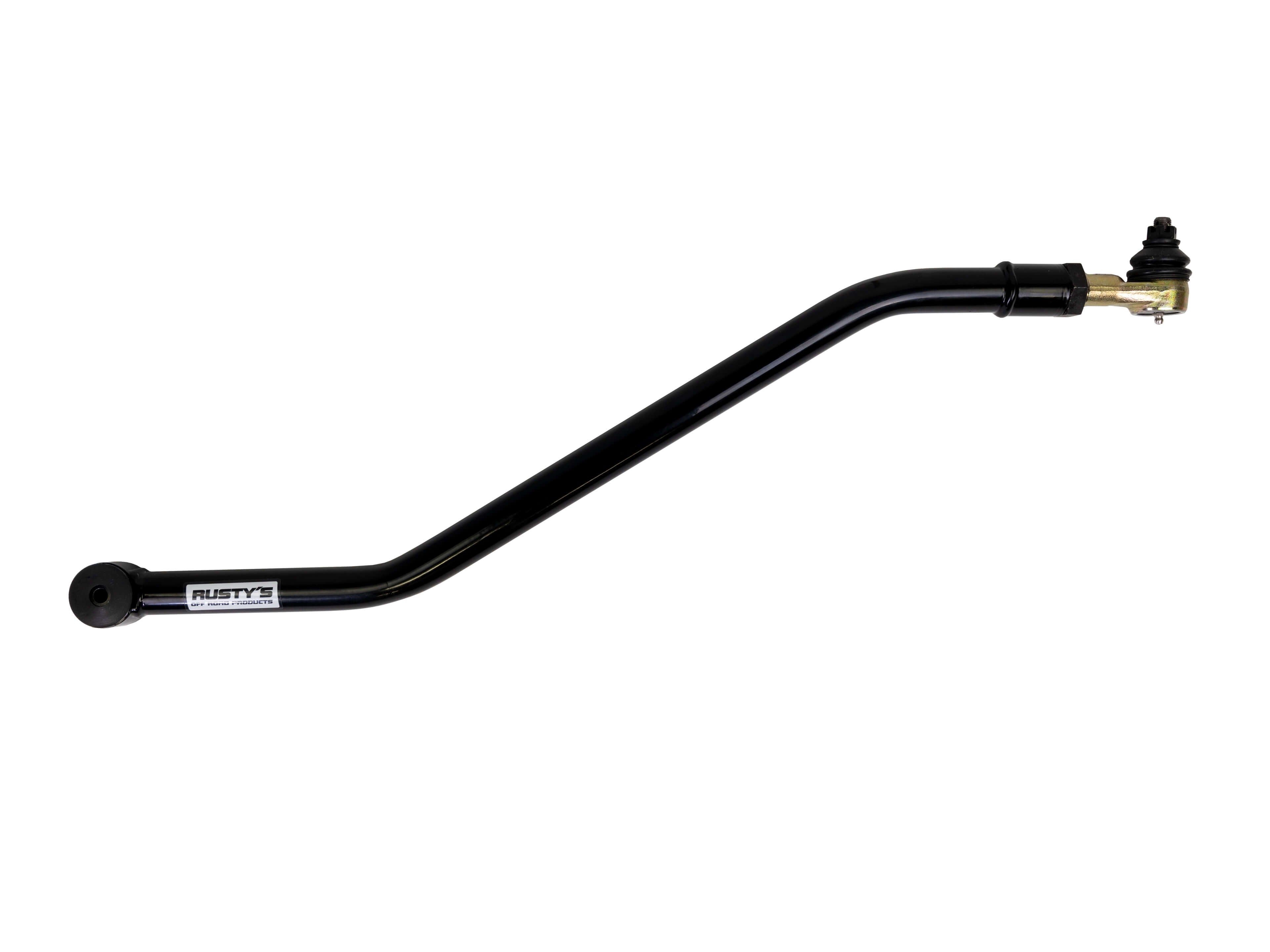
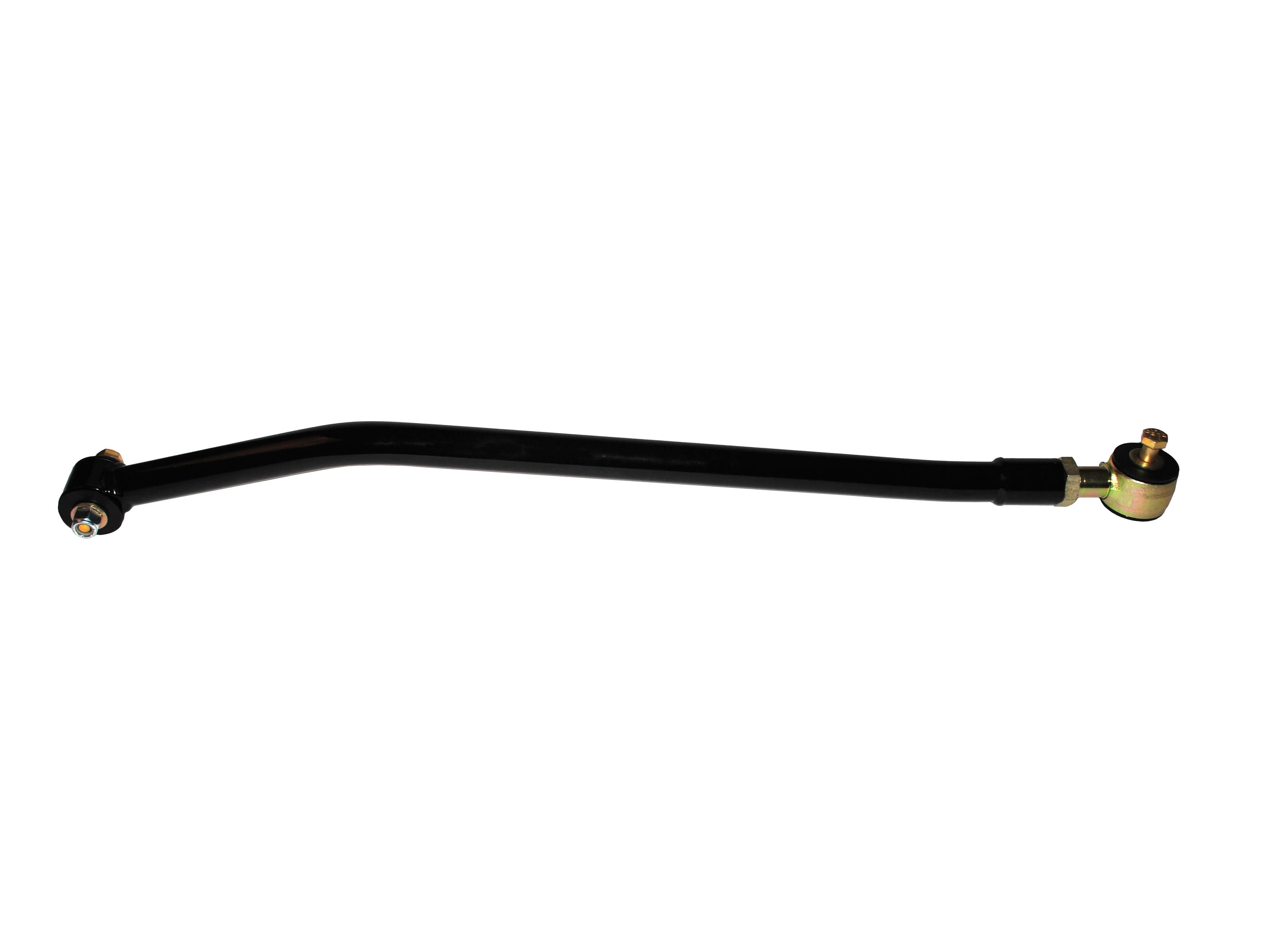
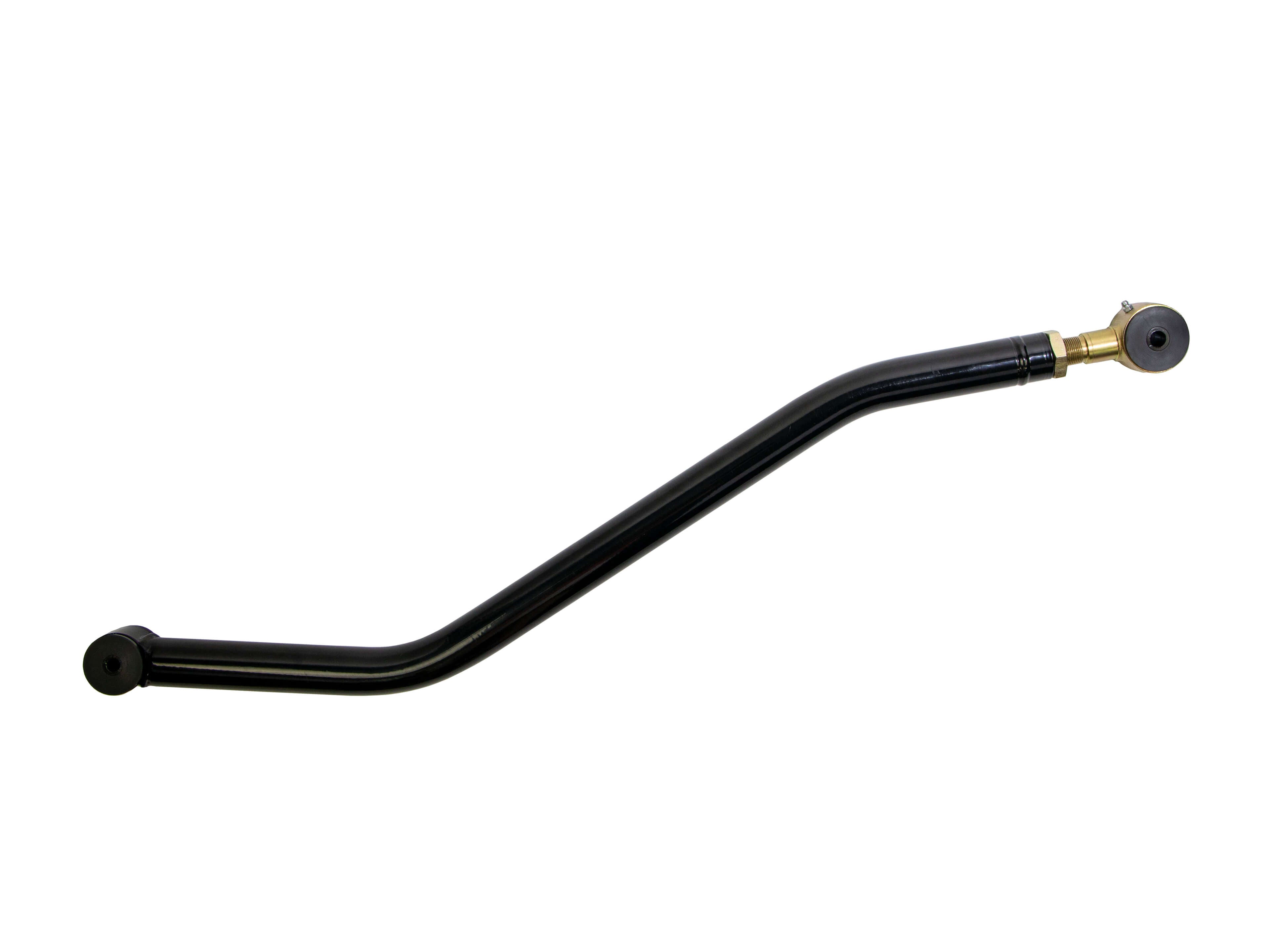
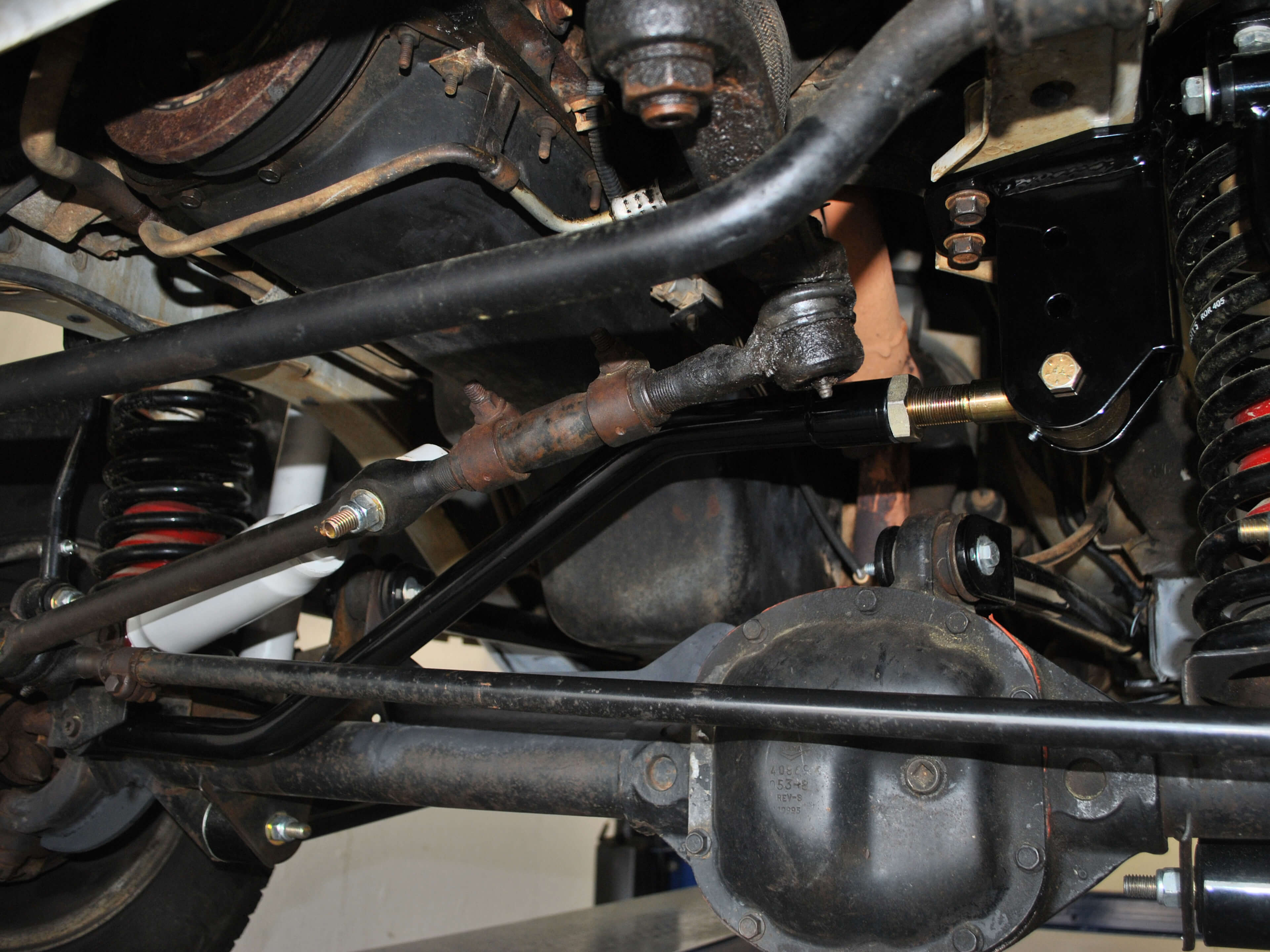
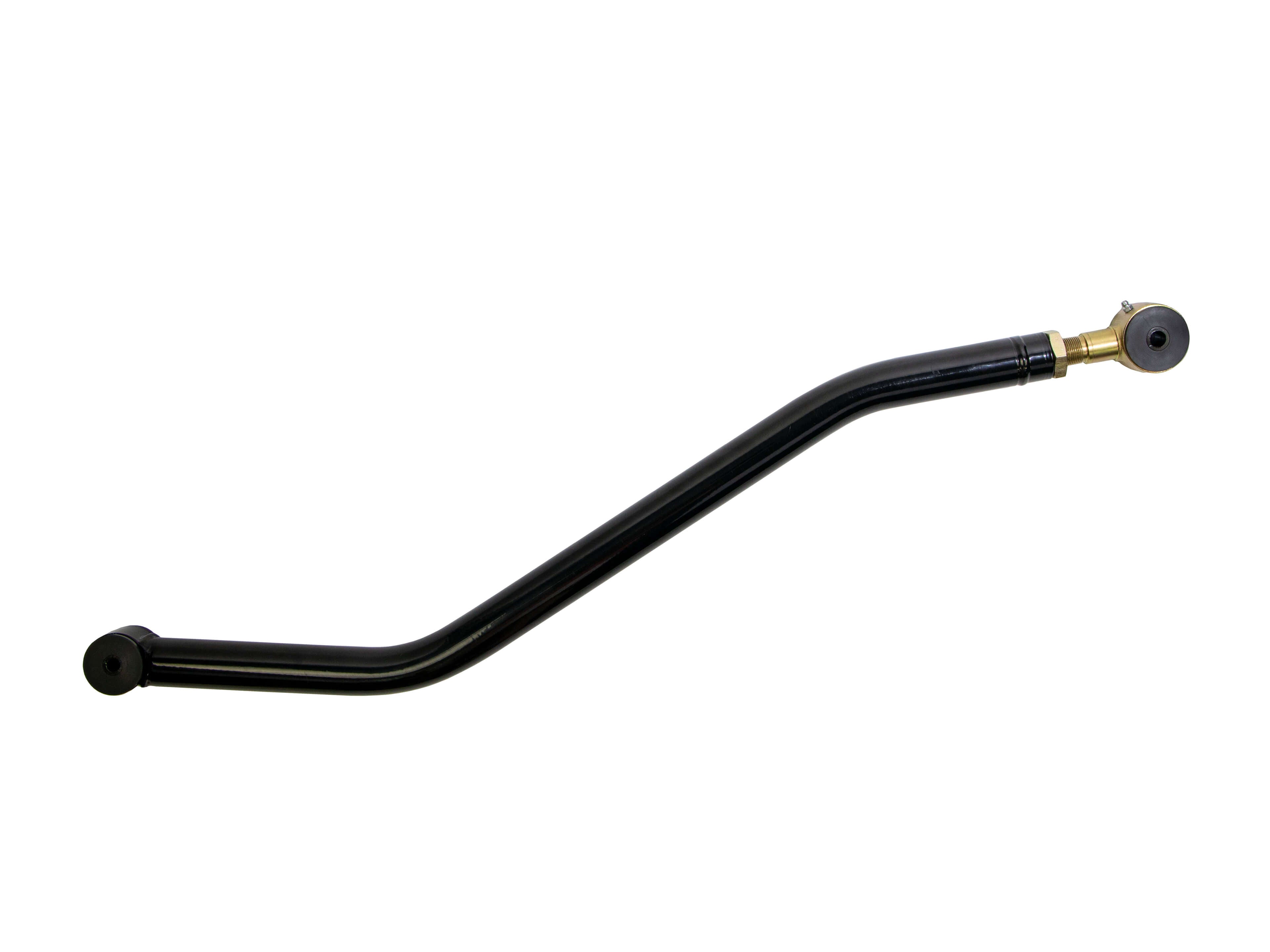
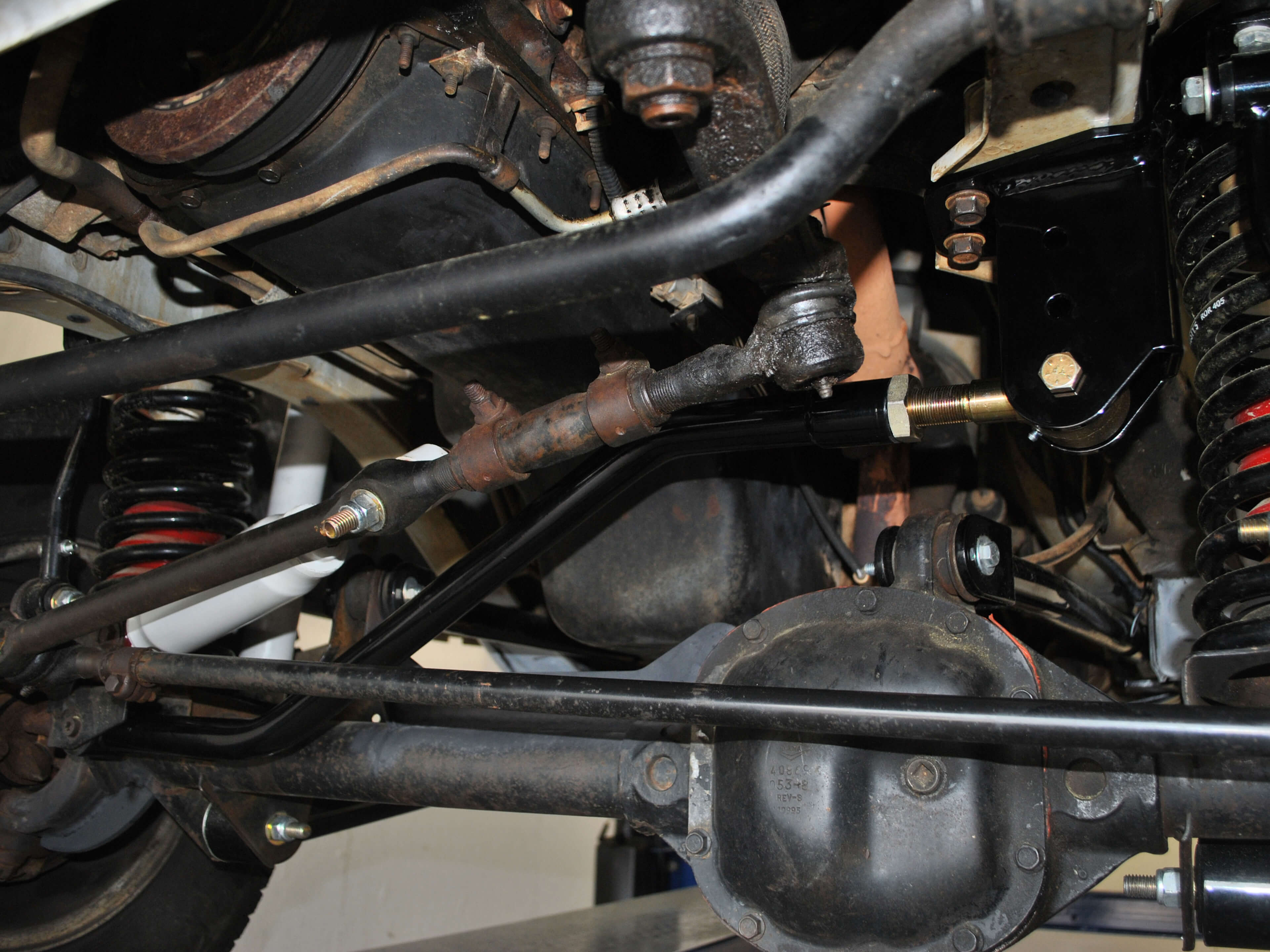
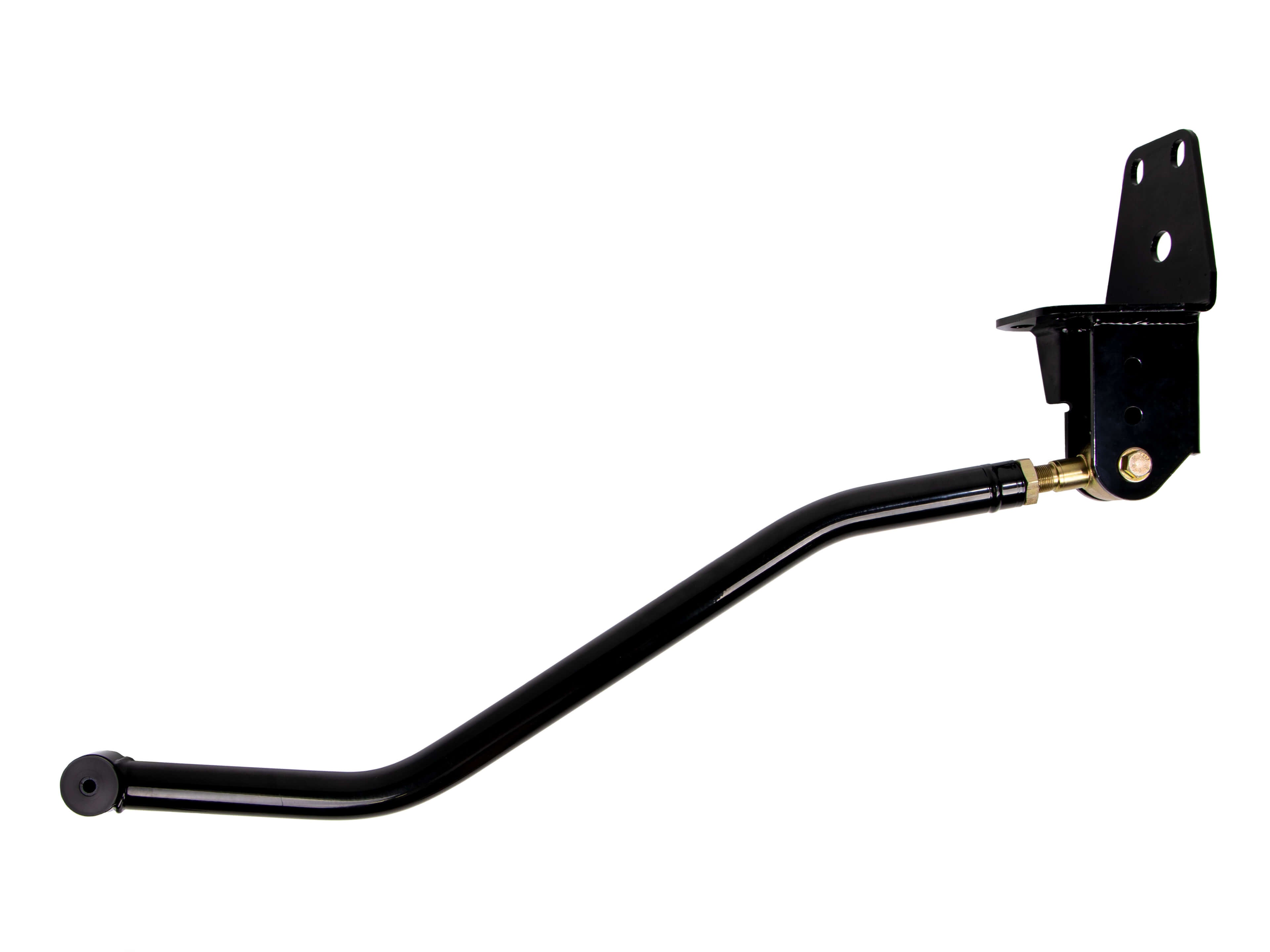
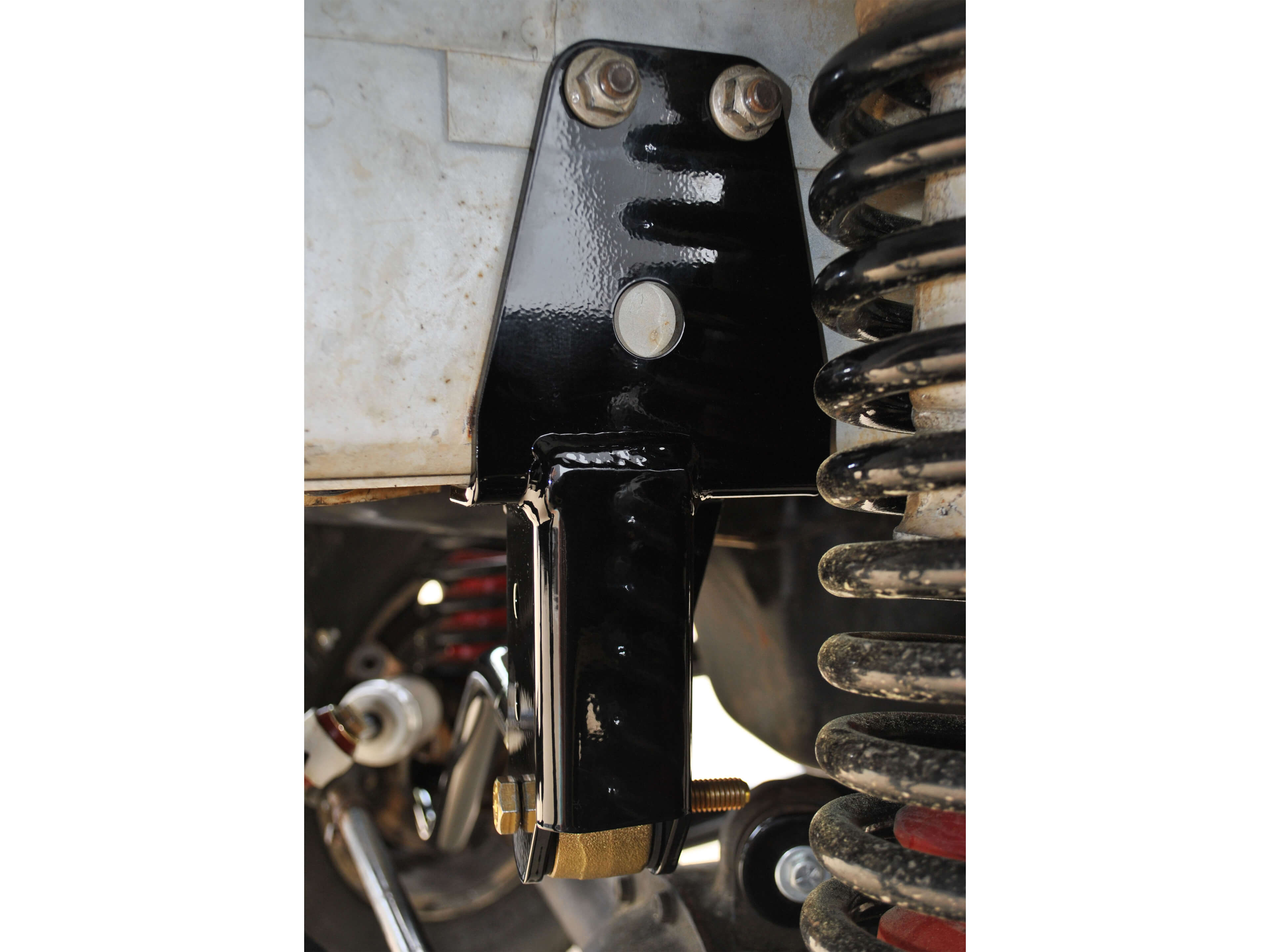
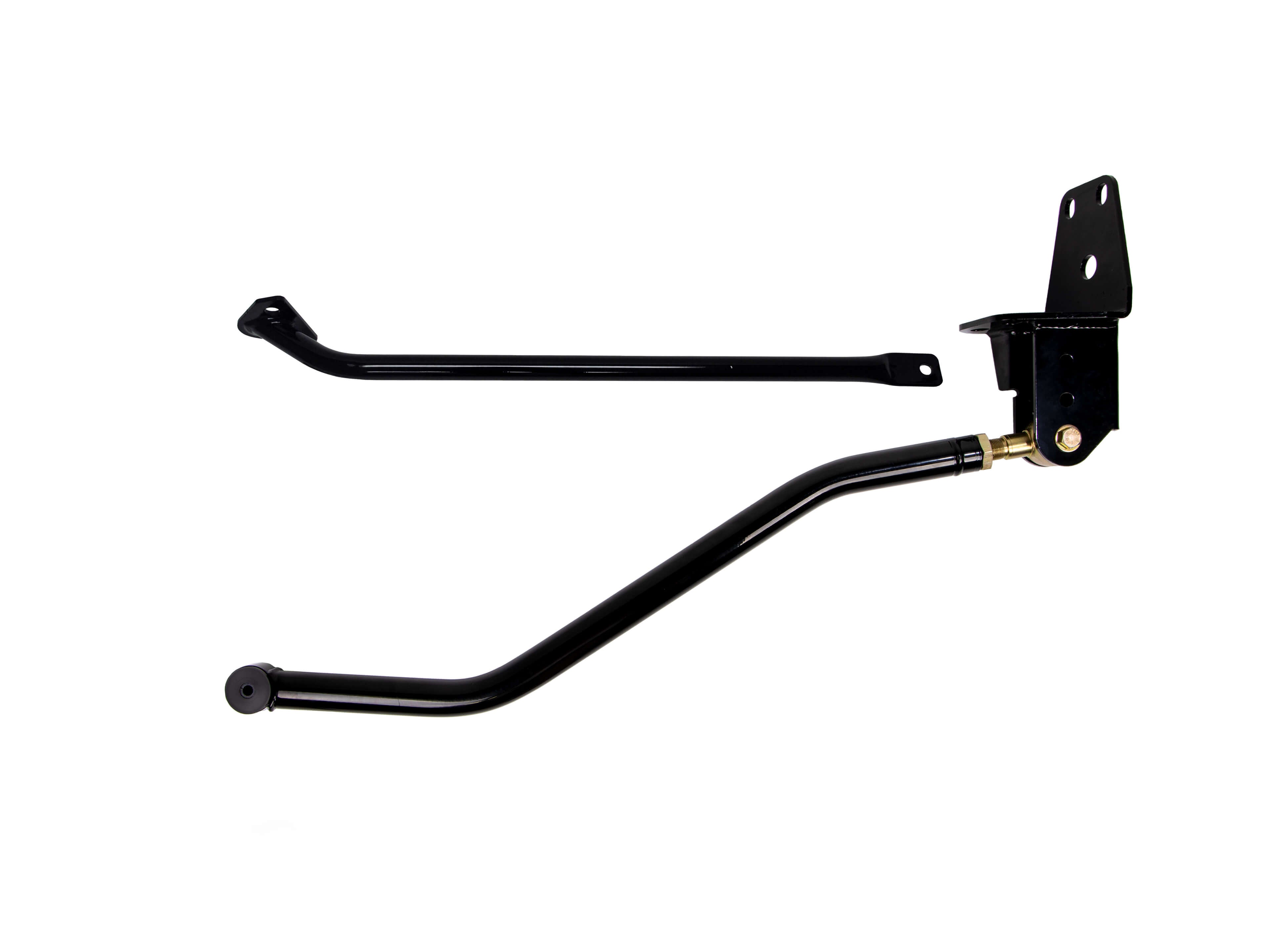
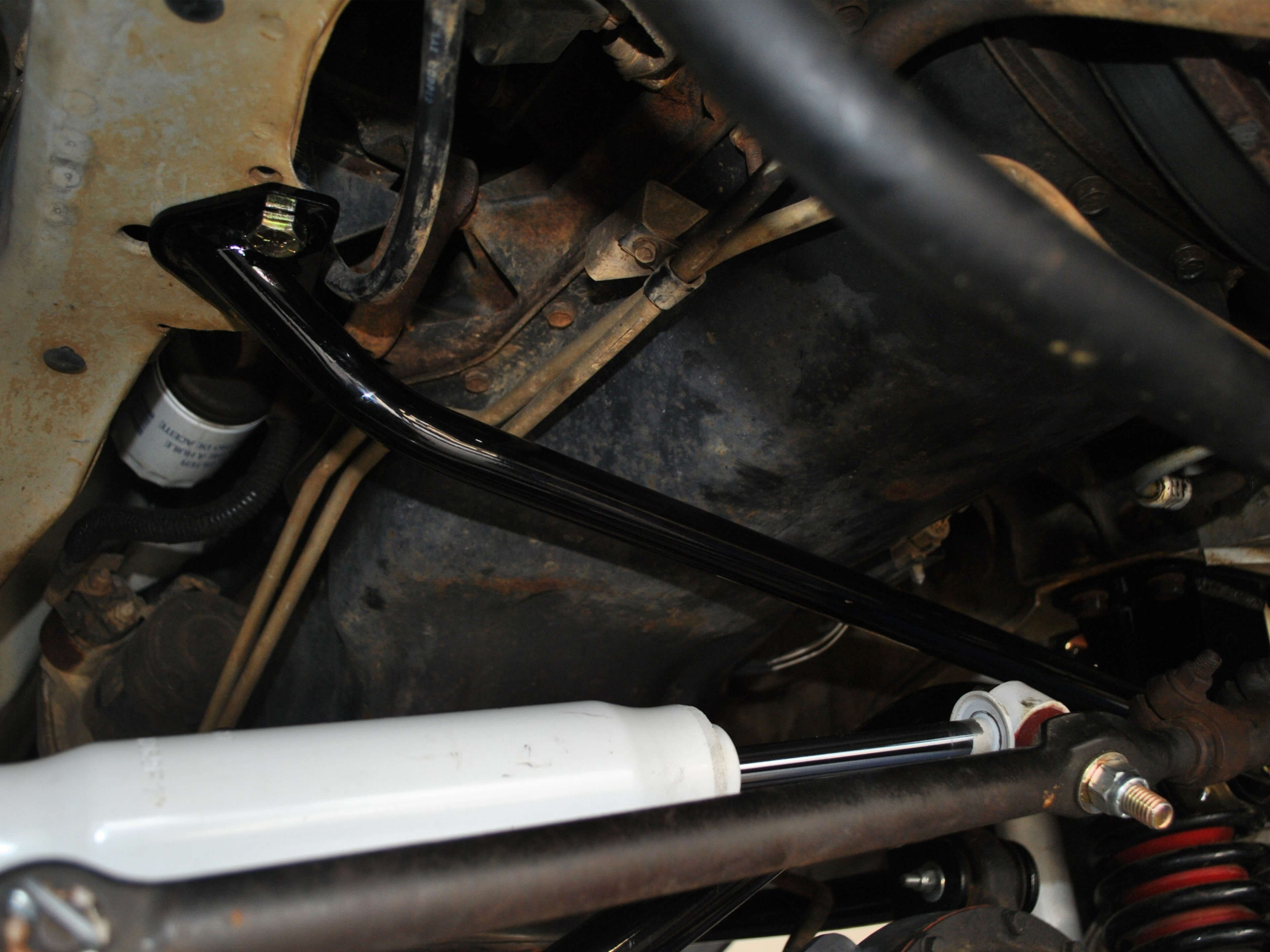
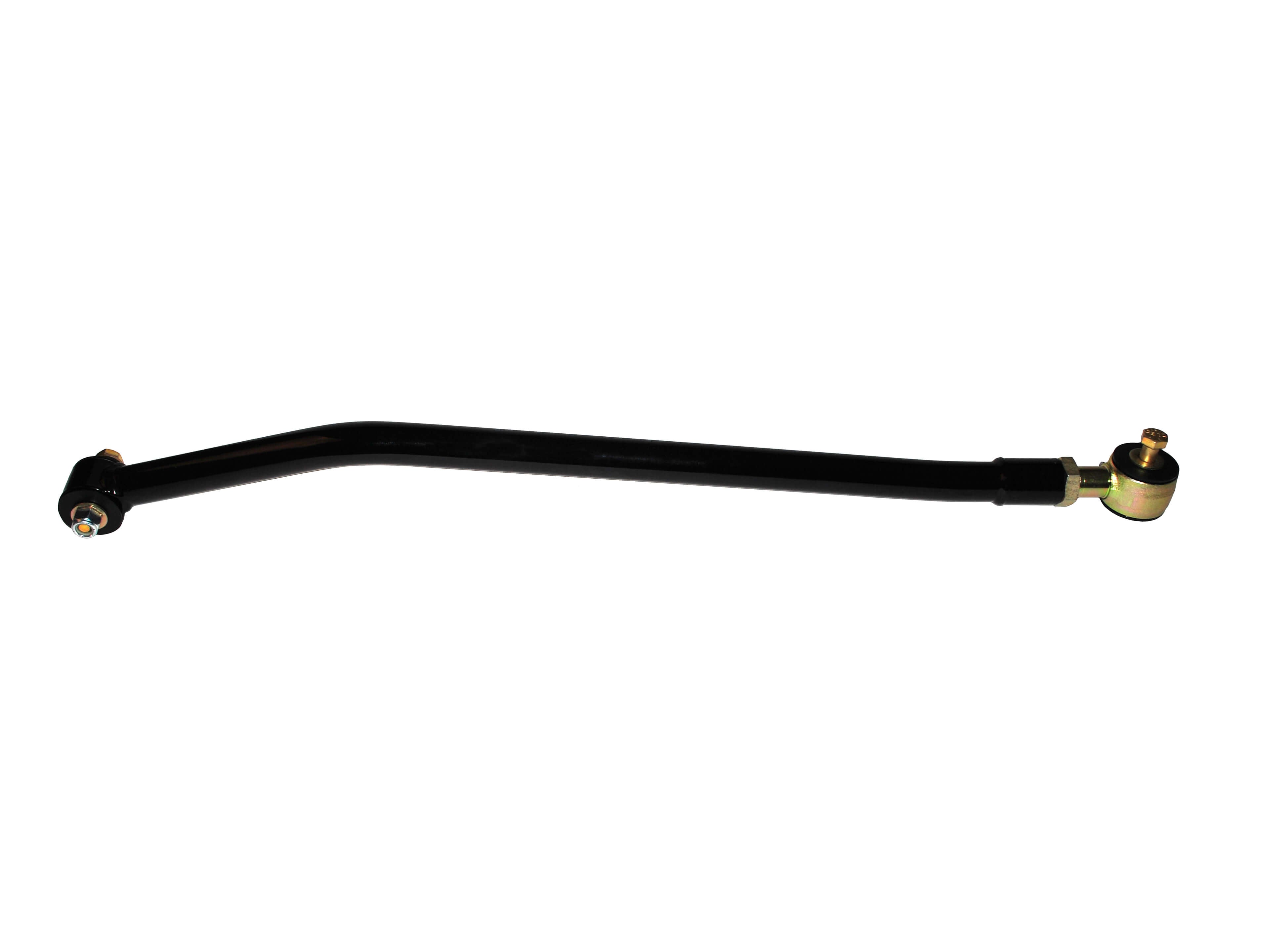
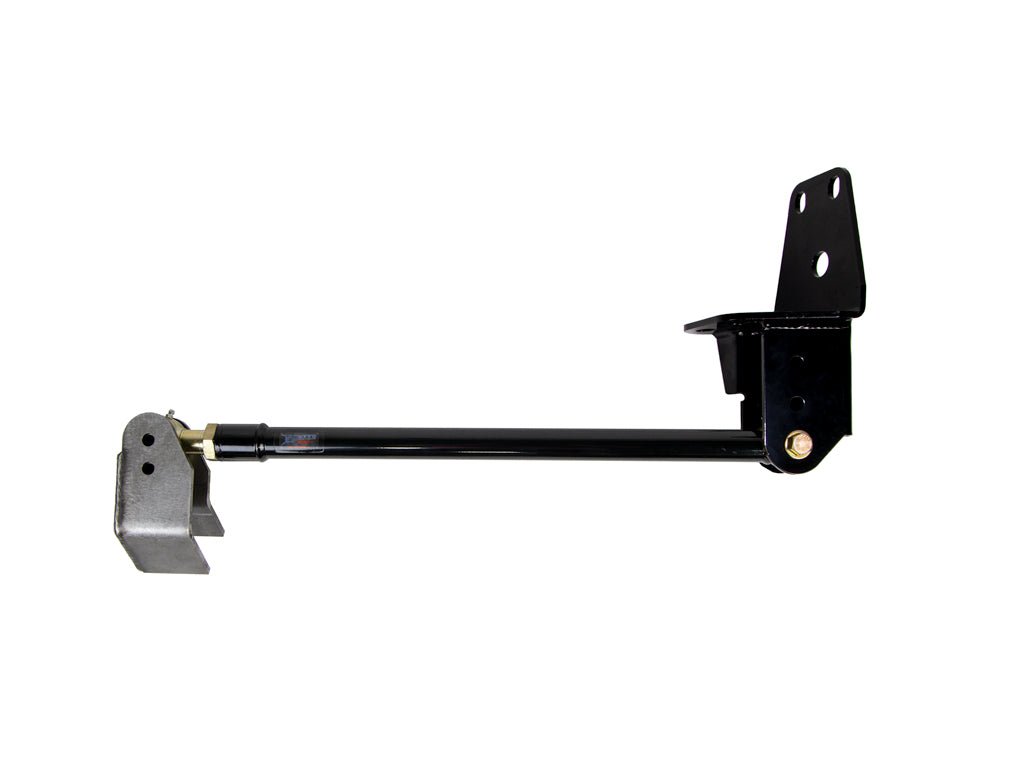
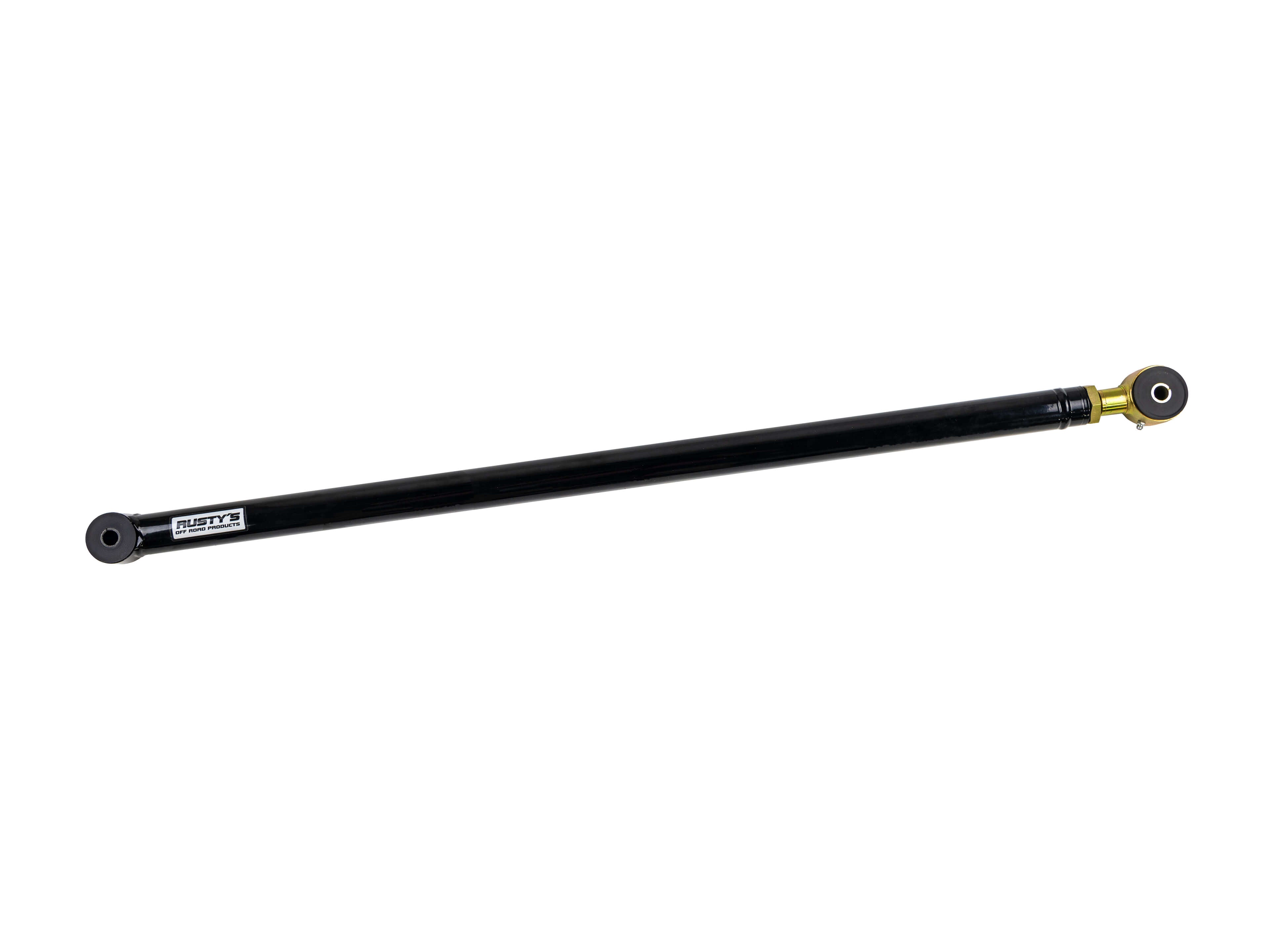
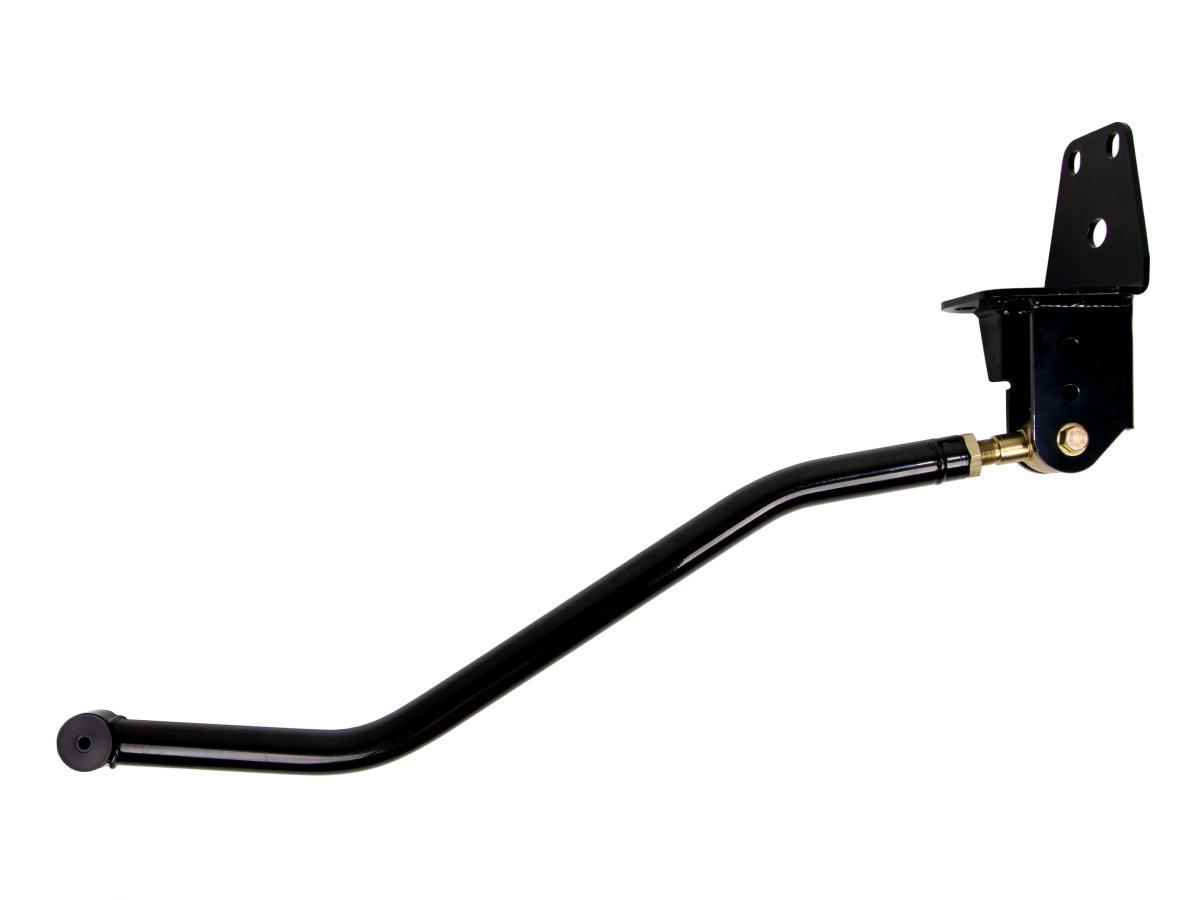
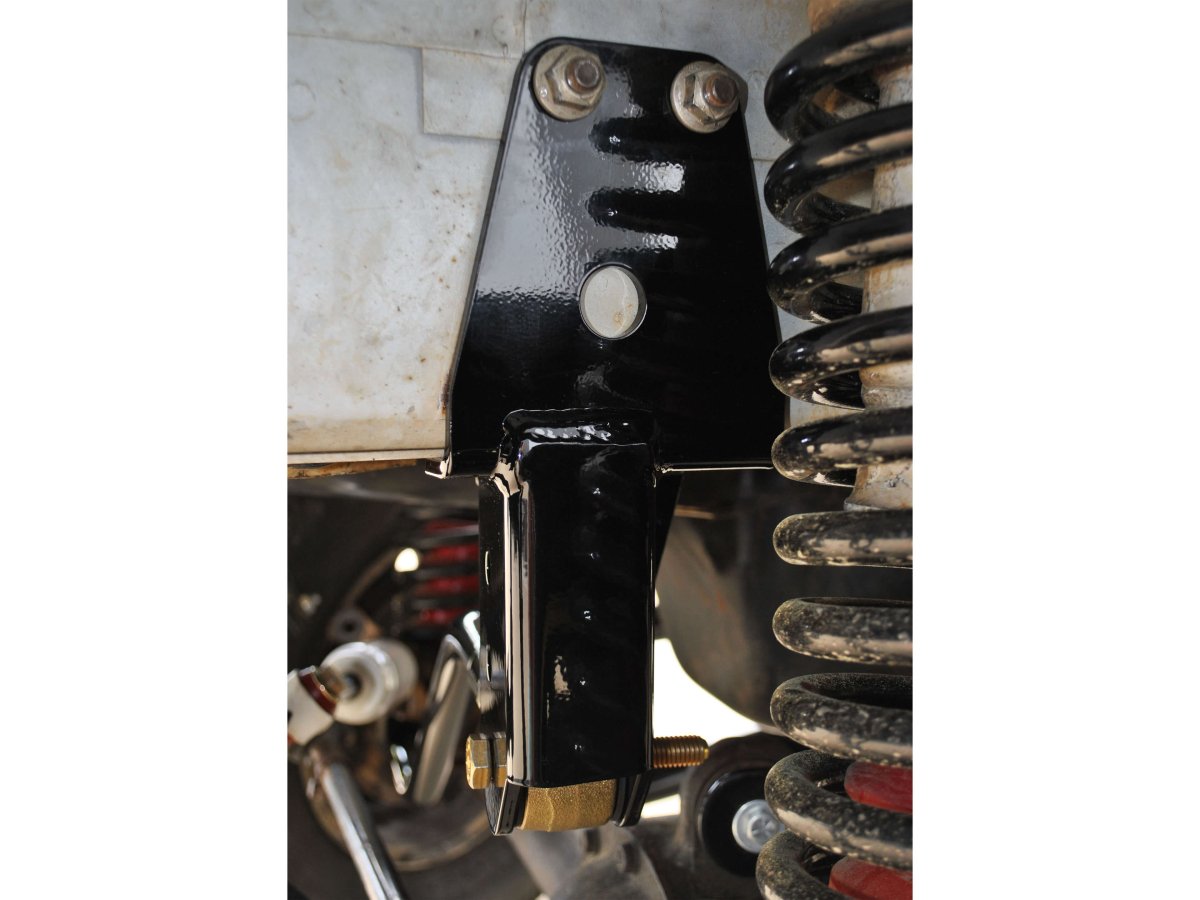
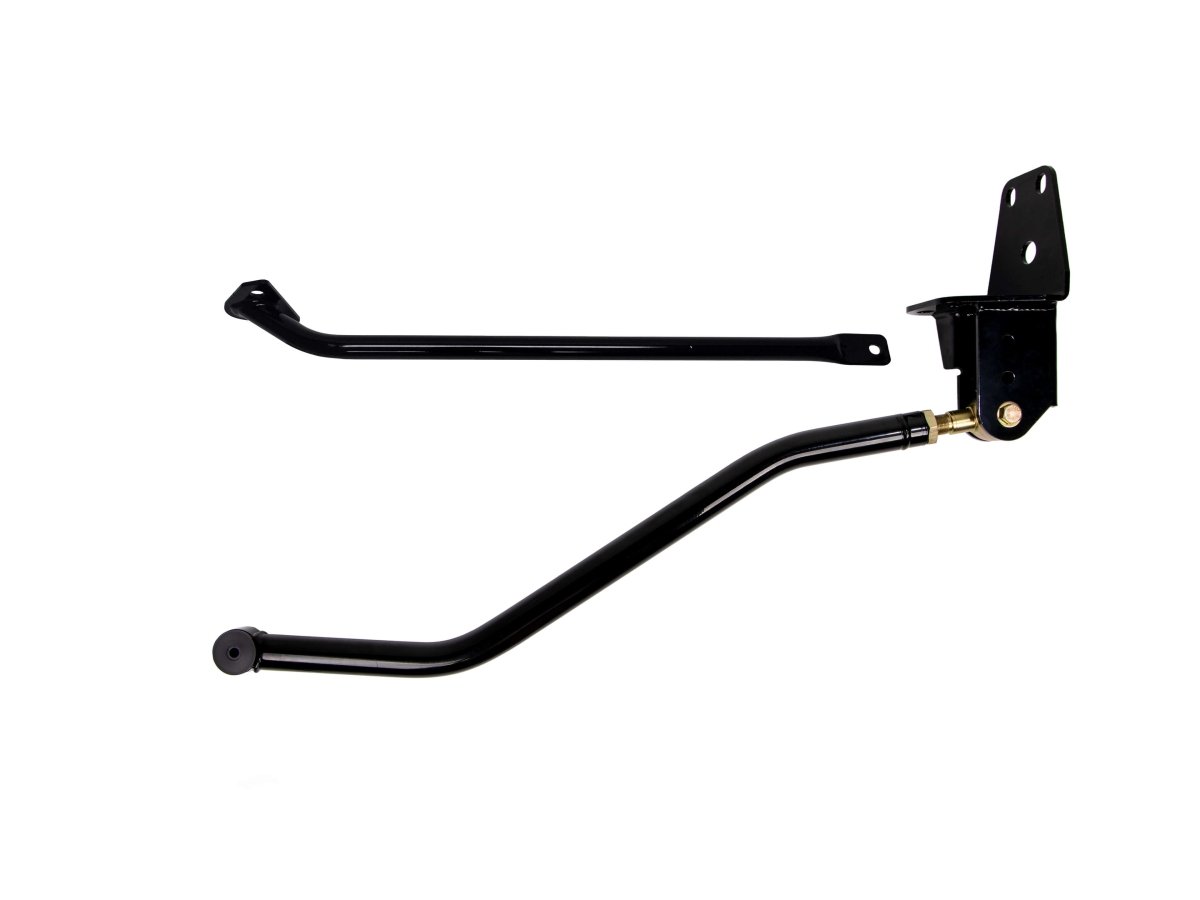
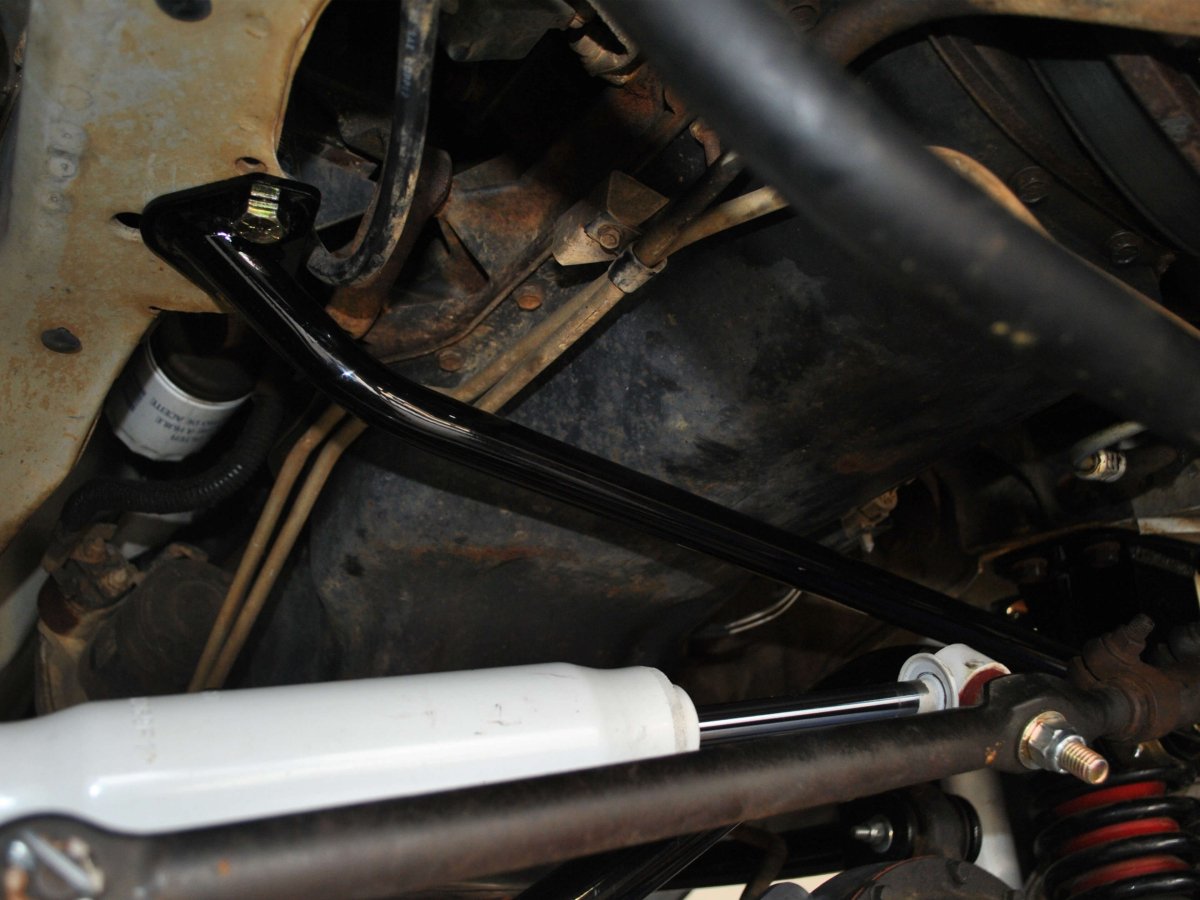
Rusty's Heavy Duty track bar and frame mount are designed to eliminate the tie rod end from the upper frame mount and convert it to a bushing mount at both the axle and the frame. This eliminates any binding at the frame end when the suspension is fully flexed out. For many other bars on the market, this is the limiting factor. The Rusty's frame mount is manufactured from 1/4" CNC-formed steel, while the Rusty's track bar is manufactured with 1.50" x 0.250-wall DOM tubing and is also CNC-formed for proper steering geometry. The track bar and frame mount are powder-coated black for durability and a great look.
$132.00